How Safe Is Paragliding in Medellin? Risks and Safety Tips
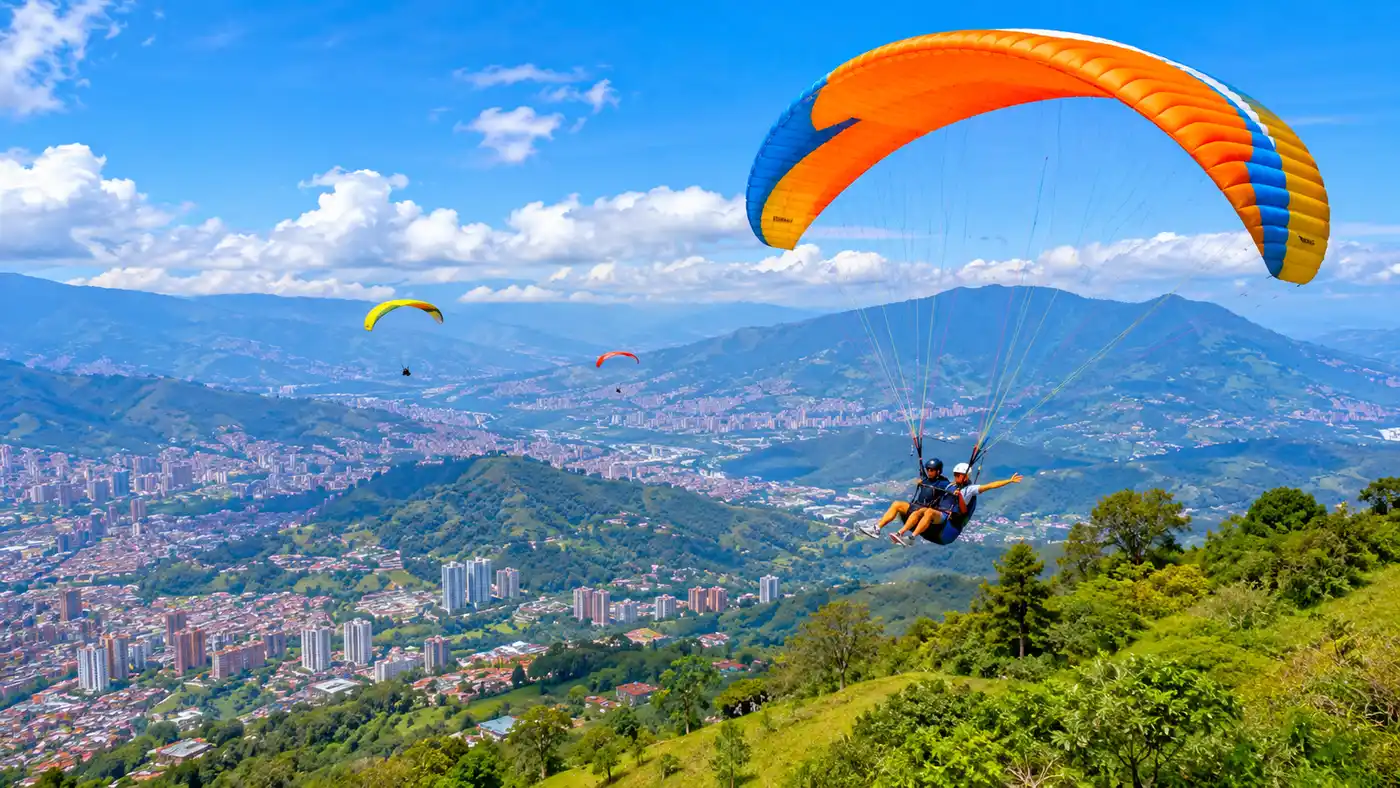
You stand on a damp grassy slope at 2,500 meters above sea level, strapped tight to a stranger while a cold mountain breeze pushes against your chest. Below your boots, the Aburrá Valley falls away into red-brick roofs, winding highways, and deep green ravines. If your heart is hammering against your ribs, you are entirely normal. Most travelers standing on that ledge have one blunt thought running through their minds: how safe is paragliding in medellin, really?
Adventure tourism always carries a layer of PR gloss. Tour agencies love to tell you an activity is one hundred percent safe, which is impossible in any sport that relies on shifting mountain air and nylon wings. I have flown over San Felix twice, watched dozens of launches from the pasture edge, and dug through local incident reports. There is real risk involved, but the actual odds are vastly better than your panicked imagination suggests up on that launch pad.
Book your paragliding medellin experience:
Reality Check: How Safe Is Paragliding in Medellin Compared to Other Risks?
Tandem paragliding is statistically much closer to riding a bicycle than skydiving or base jumping. Every weekend, roughly 200 to 400 people launch off the ridgeline above San Felix and glide over the valley floor. The vast majority land on the gentle grass field without so much as a scuffed sneaker.
Commercial tandem flights have an extraordinarily low rate of catastrophic failure. The wing used for a tandem flight is massive, deliberately tuned to resist collapses, and designed to recover its own shape if hit by unexpected turbulence. You are flying under what aviation regulators classify as an EN-A or low EN-B rated glider, which means it behaves like a steady family sedan rather than a twitchy race car. When discussing paragliding medellin safety, you have to separate solo acro pilots doing 360-degree spins from a commercial pilot floating in calm morning air with a first-timer.
The statistical danger in Colombia almost always sits on the asphalt. You face significantly higher odds of ending up in an emergency room during the 50-minute yellow taxi ride climbing the switchbacks of the Old Road to San Pedro than you do while floating 300 meters above the city. That does not mean you should turn your brain off, but it puts the fear into sensible perspective.
Accidents do happen, though. Twisted ankles, bruised tailbones, and grass burns make up the bulk of minor injuries. These almost always occur during takeoff or landing when a passenger panics, freezes, and tucks their legs under the harness instead of running through the transition.
Understanding What Can Go Wrong: Medellin Paragliding Accident Risks
To talk honestly about risk, we have to look directly at the worst-case scenarios. A search for a medellin paragliding accident turns up occasional local headlines, and yes, there have been fatal incidents in Antioquia over the past decade. If someone tells you there has never been a paragliding medellin death, they are either uninformed or selling you a flight.
When you read through the aviation reports, clear patterns emerge. Serious accidents almost exclusively involve one of two things: rogue solo pilots flying in foul weather, or unauthorized operators cutting corners on gear maintenance. In one notable incident a few years ago, a pilot launched late in the afternoon as a dark storm cell was rolling over the western ridge of the valley. Strong downdrafts caught the canopy close to the ground, leading to a tragic crash. That was not a gear failure; it was human error driven by poor weather judgment.
Note: Colombian aviation authorities grounded several pirate launch points around San Felix in recent years. Always verify that your operator launches from an established, fenced grass pad with a registered office on site, rather than an empty roadside pasture.
Commercial tandem gear is built with substantial redundancy. Your pilot carries an emergency reserve parachute packed inside the harness, capable of opening in under three seconds if the main canopy suffers structural damage. Carabiners are rated to hold several thousand kilograms of force. Lines are made of braided Kevlar or Dyneema with tensile strengths that could suspend a small car. The hardware rarely fails. The primary risk factor is always the decision-making of the human holding the brake toggles.
A typical tandem flight path avoids the aggressive thermal pockets that solo pilots seek out for altitude gains. Your pilot wants calm, buoyant air that lets you drift smoothly toward the valley floor or stay aloft over the ridge for 15 minutes before touching down right back where you started.
Pilot Regulations and Flight Standards in San Felix
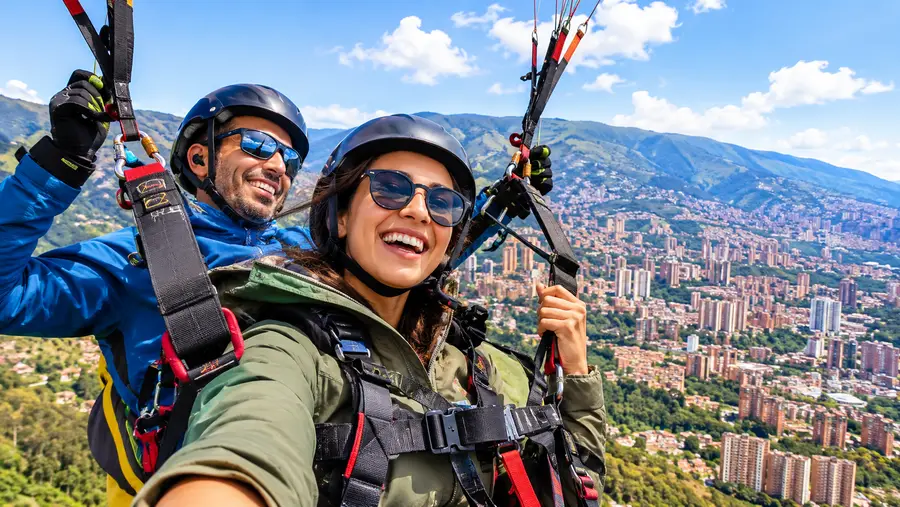
Colombia has overhauled its adventure tourism regulations over the past eight years. Paragliding pilots who take paying passengers are legally required to hold tandem certifications issued by the Federación Colombiana de Deportes Aéreos (FEDEAEREO) or equivalent international bodies like APPI or the USHPA. They must also hold commercial insurance policies and pass regular medical evaluations.
Most senior pilots working the hills above Medellin have 5,000 to 12,000 flights under their belts. They fly the exact same ridge three to six times a day, every week of the year. They know every wind shear pattern, every thermal trigger over the quarry, and every tree line that creates rotor turbulence. That localized muscle memory matters far more than any plastic license card in their wallet.
You can read our detailed breakdown of vetted operators in our guide to the best paragliding companies and tandem tours in Medellin to see which teams have the cleanest track records on the mountain.
Before handing over cash, take five minutes to observe the company setup. Professional outfits have visible offices, printed passenger waivers with legitimate insurance coverage details, dedicated pack-up tarps, and systematic pre-flight checks. If someone approaches you at a bus stop offering a steep discount for an immediate flight from an unmarked dirt lot, decline immediately.
| Factor | Professional Operator | Low-Cost Pirate Operator |
|---|---|---|
| Pilot Certification | FEDEAEREO or APPI tandem license displayed | Solo hobbyist license or unverified |
| Reserve Parachute | Inspected and repacked every 6 months | Unknown packing history or absent |
| Pre-Flight Briefing | Clear running drills and landing stance instructions | Rushed harness clipping with minimal talking |
| Weather Limits | Will cancel or delay flights when wind exceeds 22 km/h | Launches in marginal wind to avoid lost revenue |
| Insurance | Valid medical assistance policy included in fee | No passenger liability coverage |
Book your paragliding medellin experience:
How Weather Controls Flight Conditions Above the Valley
The weather in the Aburrá Valley is volatile. Medellin sits in an enclosed bowl, and San Felix perches right on the edge of the high plateau. In the mornings, cool air sinks down the canyon walls, while radiant sun warms the valley floor, creating smooth, predictable upslope breezes. This is the sweet spot for flying.
By 1:30 PM or 2:00 PM, conditions shift rapidly. Heat rising from the concrete streets below creates stronger, punchier thermals. Cumulonimbus storm clouds often begin stacking up over the mountains to the north and east. Wind speeds that sat at a gentle 12 km/h at 9:00 AM can spike past 28 km/h with sudden gust fronts. Flying in those conditions takes a tandem flight from a relaxing sightseeing trip to a stressful wrestling match with the glider.
If you want to dive deeper into mountain patterns and clothing advice, check out our guide on Medellin paragliding weather, best times, and clothing.
Pro tip: Book a slot between 8:30 AM and 10:30 AM. The air is consistently smoother, launch delays are rare, and you avoid the afternoon rain cells that regularly shut down operations by 2:00 PM.
Watch how the local pilots behave while you wait. If five experienced pilots are sitting on their packs drinking coffee and staring at the windsock, do not push your pilot to take off. The single best indicator of a safe operator is their willingness to say no to a paying customer when the sky looks questionable. Good pilots love to stay on the ground when the wind smells like rain.
Here are clear warning signs that mean you should keep your feet firmly on the turf:
- Limp windsocks suddenly snapping sideways: erratic wind direction signals broken thermal air or an approaching gust front.
- Dark, anvil-shaped cloud tops forming above the ridge: vertical cloud development brings unpredictable downdrafts that can collapse wings.
- White fog or cloud base dropping below the launch rim: zero visibility eliminates the pilot's ability to maintain safe clearance from high-voltage power lines.
- Tandem pilots struggling to hold their wings open on the ground: if the wind is too strong to stand comfortably with an inflated canopy, launching is reckless.
Practical Tips to Ensure Maximum Safety
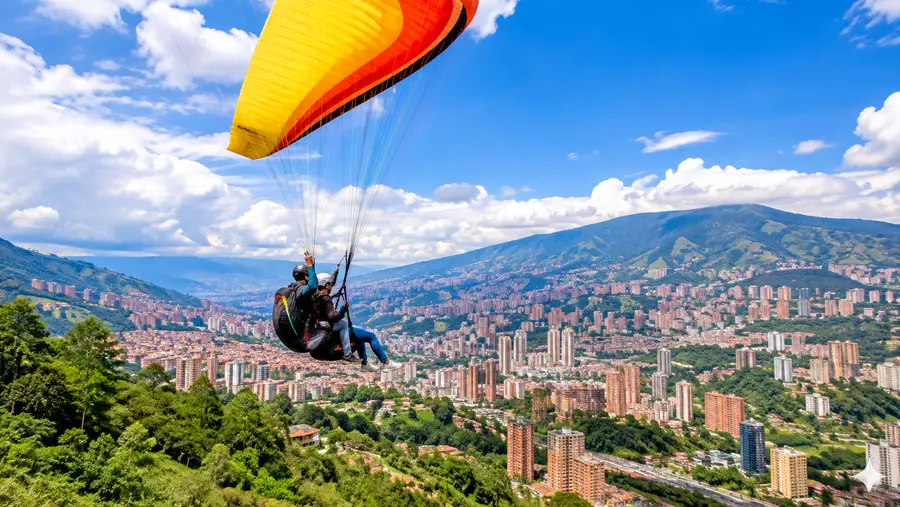
Passengers often think they are passive cargo during a tandem flight. You are not. During the critical four seconds of launch and the final three seconds of landing, you are an active crew member. How you move directly influences how cleanly the glider takes flight.
The most common passenger error is sitting down into the harness too early. As the pilot pulls the wing up into the air, the harness straps pull backward against your thighs. Instinct tells you to sit down into the swing. If you sit before your feet leave the slope, your weight drops onto the grass, you drag the pilot down, and you both slide on your knees down the hill. You must keep your legs pumping forward until there is simply no ground left under your soles.
Follow these operational rules to minimize your own risk:
- Commit to the sprint: run with full effort down the incline even when you feel the harness tugging you backwards.
- Keep your hands off the flight equipment: hold onto your harness chest straps only, never grabbing the colored lines, carabiners, or the pilot's control toggles.
- Prepare your legs for touchdown: slide your hips forward in the seat on final approach and prepare to take two or three jogging steps if instructed.
- Wear lace-up shoes with real grip: smooth-soled fashion sneakers or sandals cause slipping on wet grass during the launch run.
- Speak up if you feel motion sick: tell your pilot immediately so they can stop banking turns and trim the glider for a direct, smooth descent.
Motion sickness is actually the most common medical issue passengers encounter. About one in five people get mildly nauseous due to the swinging pendulum motion of the harness. If you are prone to car sickness on mountain roads, take a motion sickness tablet about an hour before your scheduled launch slot.
Frequently Asked Questions about how safe is paragliding in medellin
What is the minimum and maximum weight limit for paragliding in Medellin?
Most commercial operators require passengers to weigh between 40 kg (88 lbs) and 110 kg (242 lbs). These limits ensure the total wing loading stays within the glider's certified aerodynamic balance for safe launch and landing speeds.
Does my standard travel insurance cover tandem paragliding?
Standard basic policies usually exclude adventure sports involving flight. You typically need an adventure sports rider through providers like World Nomads, SafetyWing, or your credit card travel coverage. The local Colombian operators include mandatory emergency transit insurance, but it only covers basic stabilization at local clinics, not complex repatriation.
What happens if the wind suddenly dies while we are flying?
A paraglider does not need wind to stay airborne; it glides forward continuously through the air using gravity and forward airspeed. If there are no rising air currents to keep you high, the pilot simply steers a gradual descent pattern toward the designated secondary landing fields on the valley floor below San Felix.
Are children and older adults allowed to do tandem flights?
Yes. Reputable companies frequently fly children as young as five years old (with parental consent) and seniors in their seventies. As long as the passenger has reasonable mobility to take a short, jogging run during takeoff, age is rarely a barrier.
Quick Reference
- Risk level: very low on certified tandem flights
- Peak safety hours: 8:30 AM to 11:30 AM
- Mandatory license: FEDEAEREO or APPI tandem rating
- Primary risk: passenger tripping during launch run
- Wind cutoff speed: 20 to 22 km/h for tandems
Book your paragliding medellin experience:
The Bottom Line
Paragliding off the mountains of Antioquia is not a reckless gamble with fate. When you fly in the calm morning hours with an established, licensed pilot, the risks are heavily managed and remarkably low. The fear you feel standing on that damp grass in San Felix is visceral and ancient, but the physics of modern tandem wings are dependable, stable, and forgiving. Listen to the safety briefing, run as hard as you can until your feet leave the earth, and enjoy what might end up being your favorite twenty minutes in Colombia.
Read more about paragliding medellin.